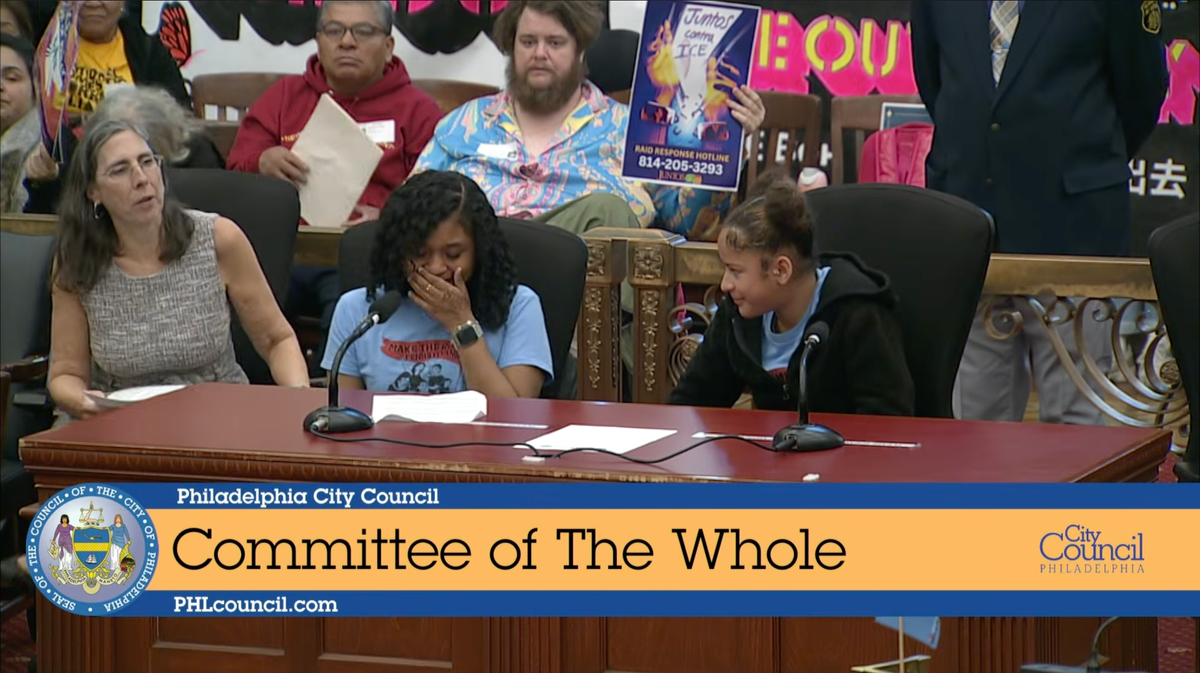
Philadelphia City Council unanimously advanced the ICE Out legislative package on Monday after a five-hour public hearing that drew a large crowd. The seven-bill package, which would restrict Immigration and Customs Enforcement activity across the city, now heads to a final vote by the full City Council.
Councilmembers Kendra Brooks and Rue Landau, both at-large members, introduced the bills in January. Fifteen of Council’s 17 members co-sponsored the package, enough to override a mayoral veto. On Monday, all seven bills passed with no opposition.
If signed into law, the bills will:
- Bar city agencies, including police, from collaborating with ICE or acting on its behalf
- Prohibit city agencies from collecting information about residents’ citizenship or immigration status, or sharing existing data with ICE
- Require ICE agents to make their badges, faces and license plates visible while working
- Require a warrant signed by a judge for ICE to access city-owned spaces, including libraries
- Ban ICE from using city-owned property to stage raids
- Prohibit city agencies from denying services based on immigration status
- Make Philadelphia’s sanctuary-city status part of city law
Charlie Ellison, executive director of the city's Office of Immigrant Affairs, testified that the administration “understand[s] and appreciate[s] the intent behind this legislation” and “wholeheartedly supports” the bill creating immigration status as a protected class. But he warned that six of the seven bills contain “legally problematic language.”
The package still must win final approval from the full City Council before going to the mayor’s desk.
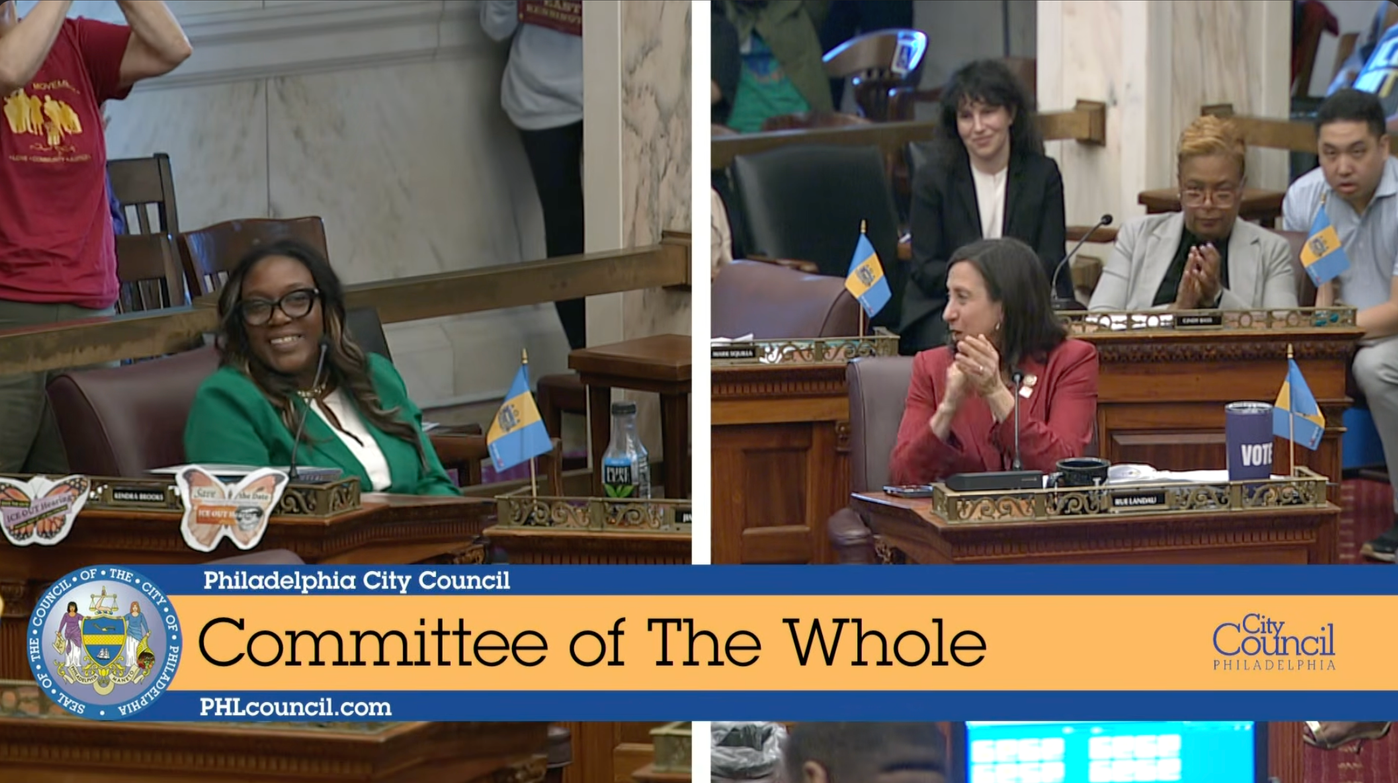
Where Kensington’s representatives stand
Three separate council districts cover parts of Kensington, with boundaries that meet near Kensington and Allegheny avenues. In the months leading up to Monday’s hearing, those three representatives were not fully aligned on the legislation, but all three voted to advance it.
Councilmember Quetcy Lozada (District 7) was an early supporter. She announced her backing on Jan. 27, saying in a statement that “everyone is less safe” and “preventable issues spread” when people are afraid to seek public services.
Lozada’s staff also said much of the office’s ICE-related work happens behind the scenes, focusing on sharing accurate information through local groups such as the New Sanctuary Movement of Philadelphia.
Councilmember Mark Squilla (District 1) also supported the package. Since January 2025, residents in Squilla’s district have contacted his office asking what to do if ICE comes to their neighborhood, according to Squilla. Since then, he has shared know-your-rights information and other resources from the Office of Immigrant Affairs.
“My hope [is] that, if ICE approaches an individual, they would be well-versed on their rights,” Squilla said in an interview with Kensington Voice.
Councilmember Mike Driscoll (District 6) was one of two councilmembers who did not co-sponsor the legislation. He previously told The Temple News that ICE abuses should be addressed at the federal level while local policies aim for “long-term solutions that ultimately hold up in court.”
“We will review and vote on the individual elements of the package, and we will always strive to protect the most vulnerable in ways that pass legal muster,” Driscoll said in a statement to Kensington Voice before Monday’s hearing.
But on Monday, Driscoll voted to advance all seven bills, which was a shift from his earlier position.
Fear on the ground
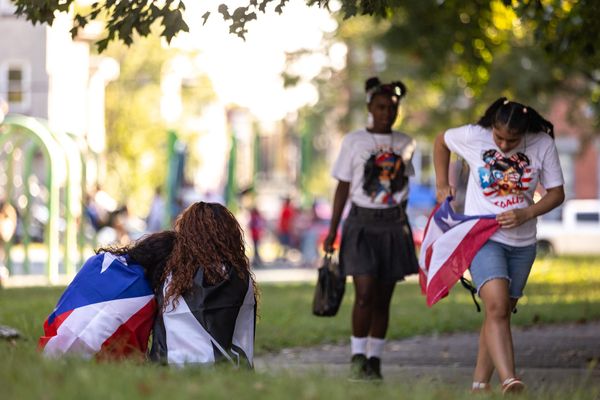
While fear of enforcement is widespread, there have been no widely reported major ICE raids in Kensington. Monday’s hearing made clear how directly the issue touches the neighborhood.
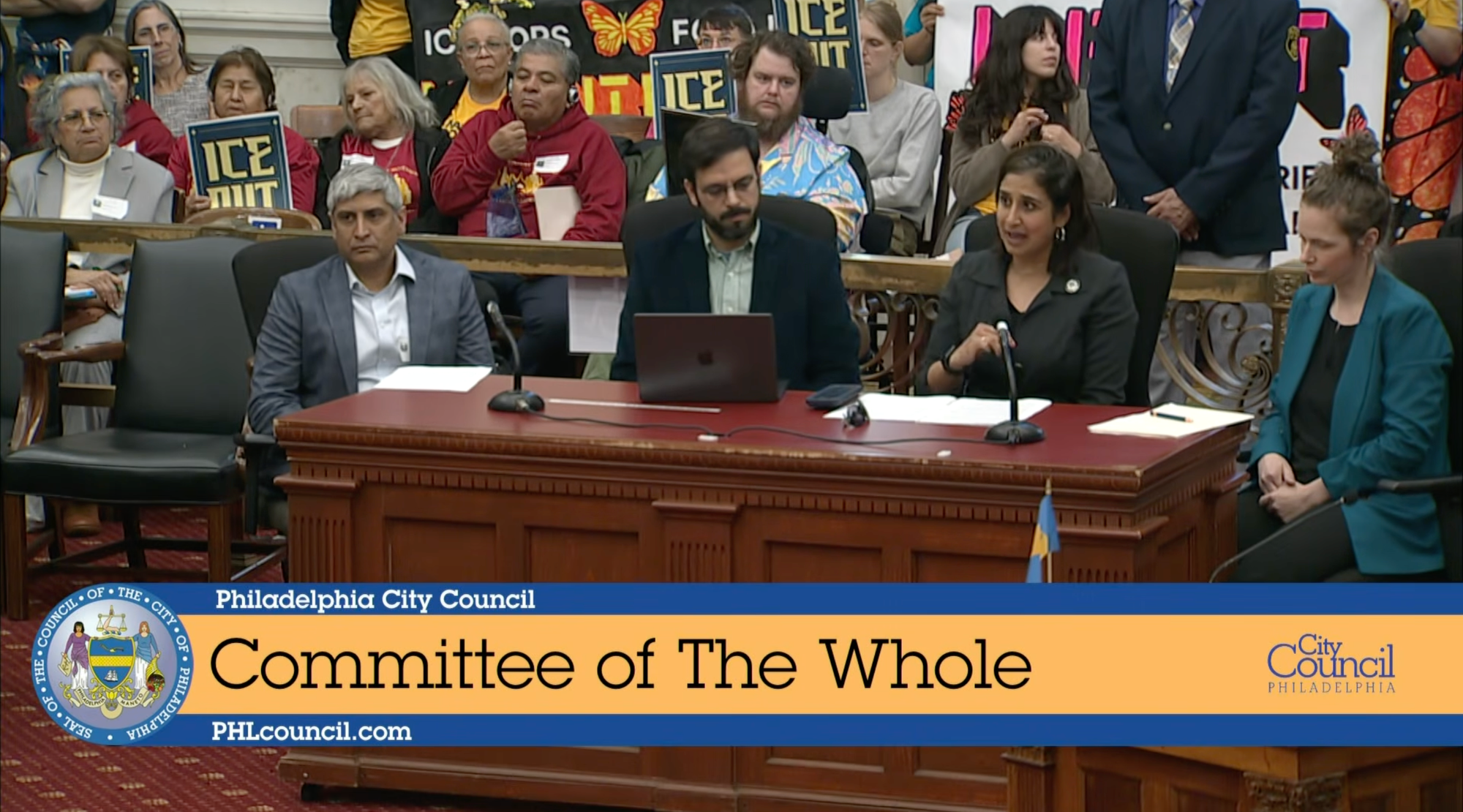
Anu Thomas, executive director of Esperanza Immigration Legal Services in North Philadelphia, testified that the fear plays out in daily life.
“It looks like a parent who’s afraid to pick up their child from school, a family member afraid to head out to work, or a community member afraid to go to a place of worship,” Thomas told council.
Thomas described how existing executive orders leave gaps that allow ICE to access personal data indirectly, including detailed arrest reports, addresses, contact information and release dates. She pointed out that even without explicit immigration status data, information like a last name, a zip code and a spoken language can be enough to make someone a target.
"If your last name is Garcia, your ZIP code is 19140, and you speak Spanish, you might be targeted," Thomas said.
That fear is also visible at Taller Puertorriqueño, a cultural center on 5th Street near Lehigh Avenue that serves as a gathering place for the area's Latine community.
Executive director Erikka Goslin remembered a visitor from last summer who came to Taller's art gallery after ICE had shown up at their home. Taller does not offer legal help, but staff connected the visitor with a service that could.
“It is awful to have someone come through your doors and be in fear of getting taken,” Goslin said in advance of the vote.
The center's lobby has English and Spanish pamphlets about how to interact with ICE, which Goslin said “we have to replenish very quickly.”
Weeks before the hearing, Goslin said the ICE Out legislation would “give particularly immigrant Black and brown communities an important message that … their protection matters, that they matter.”
Merelyn Mejia-Shephard, a 14-year-old whose parents are both immigrants, told council that losing her family is the scariest thing she faces.
“The safety and stability of my family and many other families depends on this package passing,” she said. “Please, do this for us, the children of immigrants who have everything to lose.”
Allison Sprague, executive director of Victim Witness Services of South Philadelphia, testified that her organization has seen a 20% decrease in immigrant clients over the past year as fear of ICE has grown. She told council that the rate of domestic violence survivors missing court has doubled from 25% to 50% in just one year.
Keisha Hudson, chief public defender of the Defender Association of Philadelphia, said ICE arrested five people outside the Criminal Justice Center last week alone, including a 76-year-old witness. She said 92% of the people her office represents in immigration matters have no criminal contact.
Police draw line on ICE cooperation
Monday's hearing revealed that the Philadelphia Police Department has already moved to limit cooperation with ICE.
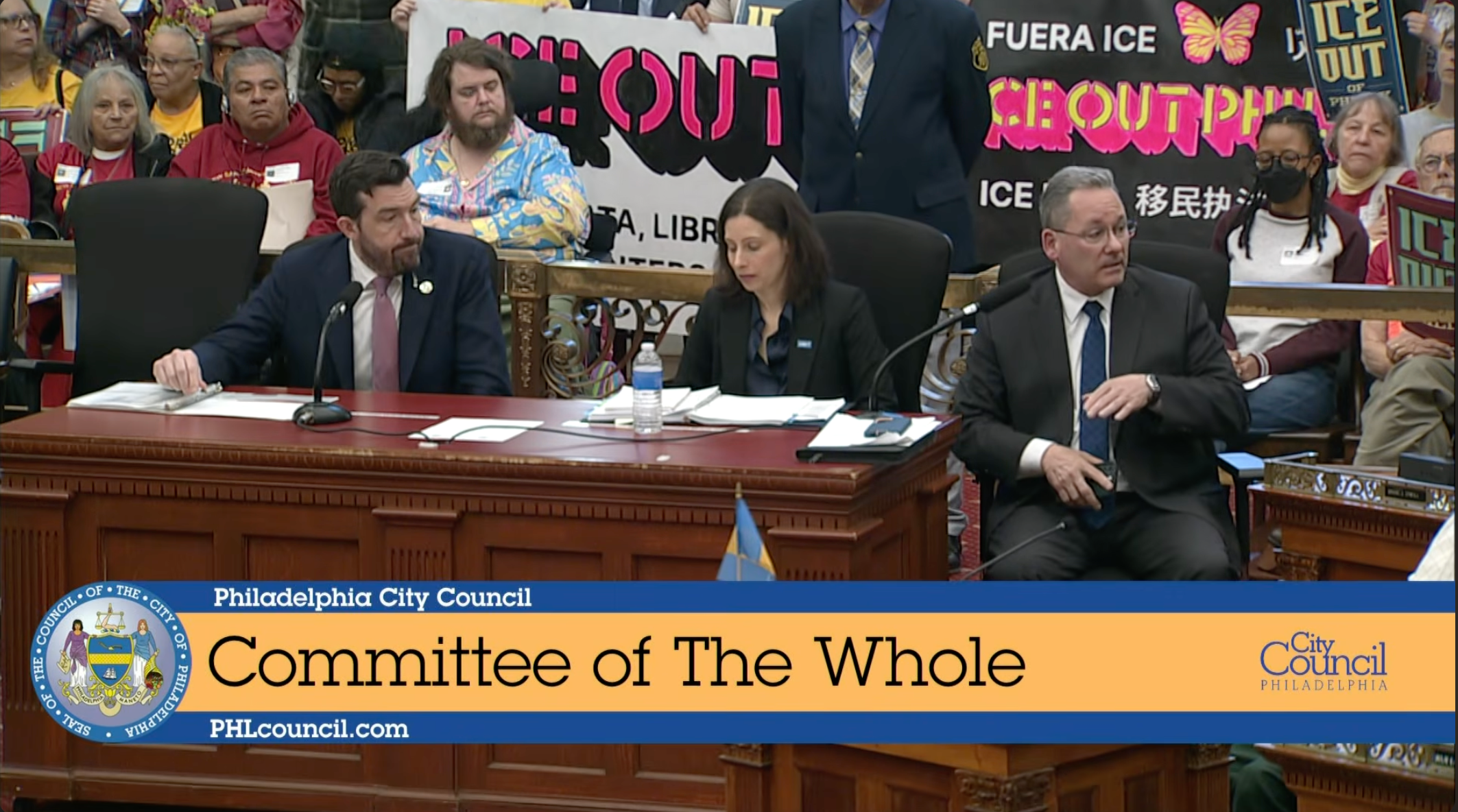
Deputy Police Commissioner Fran Healy testified Monday that the department draws a clear line.
“There is not a collaboration on civil enforcement,” Healy told council. “That is not what we do and it's not what we want to do.”
Healy said the only circumstance in which officers would engage during an ICE operation is if an agent is being physically assaulted or if an ICE agent uses force that creates a public safety risk.
“If someone is going clearly above and beyond the line, we have a duty to protect all people,” he said.
Landau, who said she had met with the police department on the issue multiple times before, said the department’s commitment was new.
“I have never heard that loud and clear like I have today,” Landau said. “Everybody here today appreciates the fact that the police are saying they will intervene.”
Councilmember Jamie Gauthier (District 3) used the hearing to challenge the Parker administration's approach.
“I've been very disappointed to not see the administration take a more proactive role in supporting and affirming support for such a critical part of our population,” she said. “I'm proud to be part of a council that is stepping in the gap and stepping into what has essentially been a vacuum in our city around protecting our immigrant population.”
Learn your rights
Councilmember Brooks’ office has hosted ICE Out training sessions across the city since last summer. According to a spokesperson for Brooks’ office, the sessions are aimed at “concerned neighbors” rather than people directly threatened by ICE activity.
At the trainings, participants learn about their constitutional rights during ICE encounters, best practices for witnesses and how to prepare workplaces for possible raids.
To sign up for an upcoming session, visit training.iceoutphilly.org.
Additional reporting by Jillian Bauer-Reese.