After a four-day trial in federal court, a jury found the city violated Louis Jung Jr.’s constitutional right to medical care while incarcerated and awarded the family $1.67 million in damages.
The decision to spare the two schools from proposed closures comes after nearly a month of intense community pushback against the district’s sweeping facilities plan.
Experts cite ‘systemic’ lapses in Philly jail care as jury finds city liable in diabetes death
After a four-day trial in federal court, a jury found the city violated Louis Jung Jr.’s constitutional right to medical care while incarcerated and awarded the family $1.67 million in damages.
The family of Louis Jung Jr. gathered in the Pennsylvania Eastern District courthouse after a jury found the City of Philadelphia guilty of failing to provide Jung access to emergency medical care. (Photo courtesy of Abolitionist Law Center)
Video surveillance footage inside Philadelphia’s Curran-Fromhold Correctional Facility on Nov. 5, 2023 shows Louis Jung Jr. lying on the floor in the doorway of his cell after requesting a nurse.
Jung, a 50-year-old man who had Type 1 diabetes, remained on the ground for about 13 minutes before two incarcerated people moved him back inside the cell. They wore gloves a correctional officer gave them, according to video and testimony.
One of them wiped the floor where Jung laid with a white towel under his foot. Then a lieutenant closed his cell door.
“The system churns on,” Abolitionist Law Center (ALC) attorney Nia Holston told a federal jury last week.
Holston and ALC represented Jung’s sons – Jacob Jung, Jim Jung, and Louis Jung III – in a civil lawsuit against the city, correctional staff, former prisons commissioner Blanche Carney, and the city’s contracted healthcare provider, YesCare.
After a four-day trial presided over by U.S. District Judge Timothy J. Savage, the jury found that Jung’s constitutional right to necessary medical care while incarcerated was violated, awarding his sons $1.67 million in damages. Jurors determined the city, Carney, and a Philadelphia Department of Prisons lieutenant liable, while finding another correctional officer not guilty. YesCare settled before trial for an undisclosed amount.
The suit alleged the jail failed to provide access to emergency medical care and adequate diabetes care. The suit claims that “deliberate indifference” led to Jung’s death on Nov. 6 from diabetic ketoacidosis, a potentially fatal condition in which blood becomes acidic without enough insulin.
A “premature, painful, and preventable death,” Holston said.
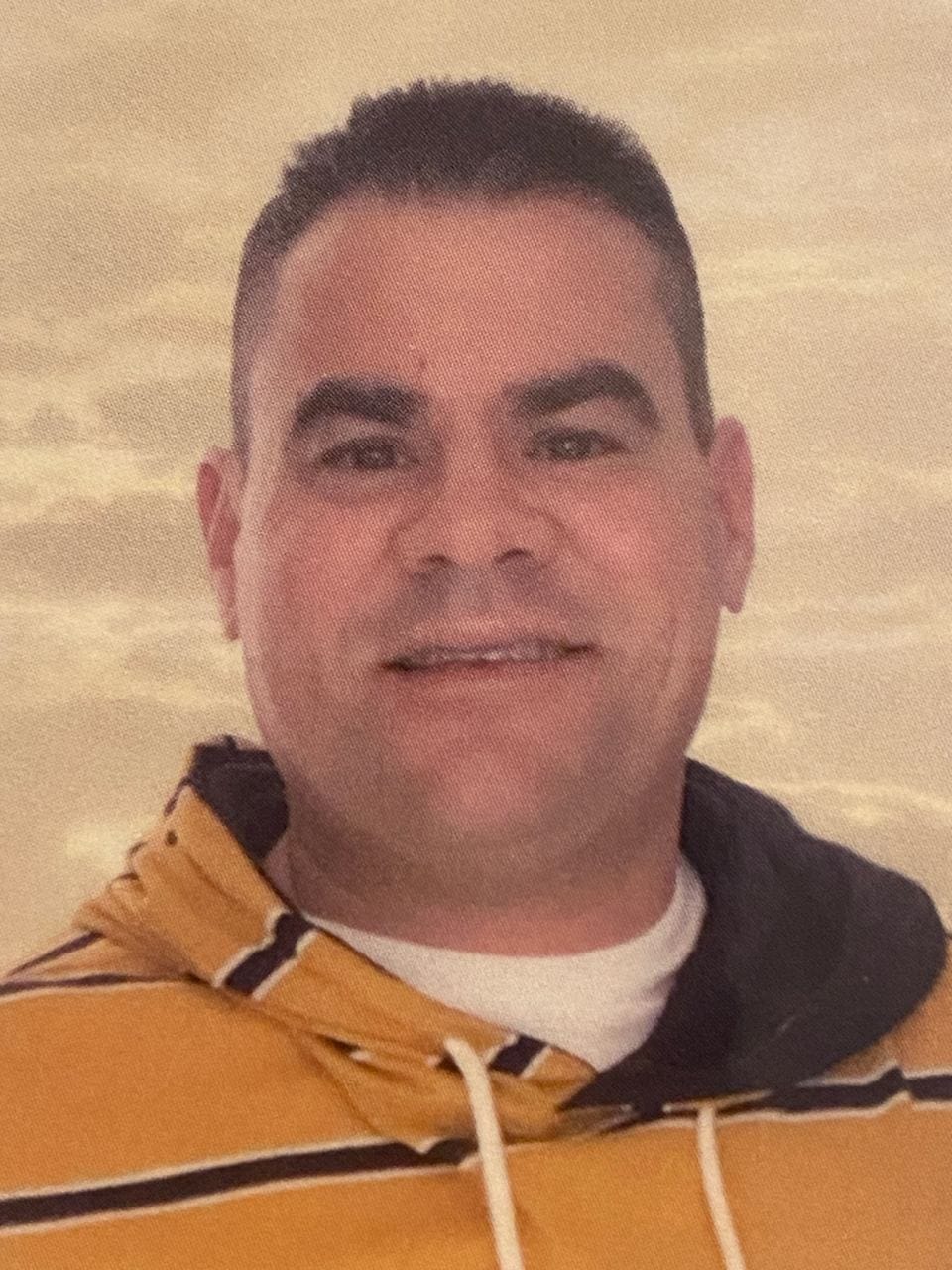
The family of Louis Jung Jr., who died of diabetic ketoacidosis in a Philadelphia prison, said they sued the city in honor of Jung's life and to hold power accountable. (Photo courtesy of the Jung family)
A timeline of Nov. 5
Jung asked to see a nurse the morning of Nov. 5, 2023.
Correctional Officer Gena Frasier brought a YesCare nurse to his cell. He complained of pain and not being able to walk, according to testimony. Video showed Jung lying on the floor as the nurse and Frasier stood near him, then walked away moments later. The nurse did not check his vitals.
Jung remained on the floor unattended for about nine minutes until Lt. Wanda Bloodsaw arrived. Bloodsaw “appeared to attempt to communicate” with Jung, according to a city internal investigation. But nobody called for a stretcher or initiated aid during his “medical emergency,” the report said.
That day, Jung did not receive insulin, his life-sustaining medication, and there is no record of interaction with prison or medical staff for the time after he was returned to his cell, according to ALC. He was pronounced dead by 7 a.m. the following day.
City attorneys Michael Pestrak and Emily Hoff argued the correctional staff were not aware Jung was in the throes of a medical emergency on Nov. 5.
‘There would’ve been time to intervene’
Medical records from the week of Jung’s death – Oct. 28 through Nov 5. – showed multiple instances in which Jung should have been evaluated by a medical provider but was not, according to expert testimony. Those records included missed insulin doses, reported insulin refusals, undocumented insulin dosing and glucose checks, and dangerously high blood sugar levels.
Dr. Jonathan Williams, an endocrinologist at Brigham and Women's Hospital in Boston and an associate professor of medicine at Harvard University, reviewed Jung’s records and care during the week of his death. Williams testified that Jung likely had early diabetic ketoacidosis when he entered the jail on Oct. 28 and received inadequate and inefficient treatment.
Williams pointed to Jung’s blood sugar level of 542 and the presence of ketones in his urine, both signs of diabetic ketoacidosis, upon intake as grounds for an emergency room transfer.
There was no evidence that Jung was taken to an emergency room upon intake or at any point while his condition worsened that week and progressed to his death, Williams testified.
That was a “horrifying denial of basic diabetes care,” said another expert witness, Dr. Homer Venters, former chief medical officer for the New York City jail system.
After intake, Williams testified there were nine entries in Jung’s records that required a physician evaluation under the jail’s policies and standards of diabetes care, but he was not seen.
“There would’ve been time to intervene,” Williams said. He explained how diabetic ketoacidosis is treatable in emergency rooms.
Dr. Arthur Wallenstein, a retired correctional administrator who serves on an advisory board for the National Institute of Corrections, testified that correctional staff have a constitutional duty to provide access to emergency medical care 24/7. Frasier “didn’t pass muster,” he said. “Based on the word” of Jung, Frasier should have called a stretcher on Nov. 5, Wallenstein said.
Venters testified that Jung’s broader incarceration medical history, beginning in Philadelphia in 2021, showed hundreds of instances in which glucose checks and insulin administrations were not documented. His records also included repeated “no shows” and refusals to take insulin, often without signed refusal forms, Venters said – additional policy violations.
During Jung’s incarceration at Curran-Fromhold at various times between 2021 and 2023, he was hospitalized on six occasions for diabetes-related complications – five were for diabetic ketoacidosis – according to Venters. That pattern meant Jung should have been monitored in the jail’s infirmary until he was stable, Venters said.
“Whatever judgement you have about why he’s not getting care, he needs more care, not less,” Venters said.
‘Nothing happened during my shift’
On the stand, Frasier testified she did not recall staff training on medical emergency response, access to medical care, or diabetes, though the Abolitionist Law Center cited department records showing she completed training sessions on each subject.
Asked whether she would have done anything differently on Nov. 5, Frasier said, “I don’t believe so. Nothing happened during my shift with Mr. Jung.”
Blair Cabellos, the licensed nurse practitioner for YesCare, testified that Jung said his legs hurt and that he couldn’t walk, but that no medical emergency was apparent to her on Nov. 5. She said she did not take his vital signs, and no higher-level provider was notified.
Bloodsaw testified she did not remember the events of Nov. 5.
“I don’t remember anything about that day,” she said.
The jail’s internal investigation determined both Frasier and Bloodsaw violated city policy. The report states there was staff “negligence.” Bloodsaw was assigned a 15-day suspension. She had not served it as of last week, according to testimony.
A ‘systemic’ problem
The plaintiff’s expert witnesses testified the city’s policies generally align with standards of care for diabetes and medical emergencies, but staff repeatedly failed to follow them. They said the department failed to correct broader breakdowns in routine procedures for diabetes care and national standards for emergency care in prisons.
Carney testified that the prisons department is responsible for providing 24/7 access to emergency care and has policies intended to prevent deaths. Department leadership is notified of every death and hospital transfer, she said.
The prisons department has conducted 58 internal death investigations between 2017 and 2023. The Abolitionist Law Center reviewed each report in front of the jury with Carney.
Sixteen investigations concluded that correctional or medical staff violated policy. In seven cases, investigators found failures to provide access to emergency care. In nine, investigators found failures on correctional staff to conduct required rounds. The cases included officers who logged tours electronically but did not conduct them, officers found reclining at desks during shifts, and failures to render first aid or call for medical help.
One July 2022 case, a lieutenant and nurse left an incarcerated person unattended and lying on the floor during a medical emergency. That person died that day of an overdose.
Carney said the emergency-care failures reflected “individuals’ responsibility,” and not a systemic problem.
Venters disagreed. He said if roughly a third of patient death investigations find issues with how staff responded and monitored people, that’s “significant” and “reflects a systemic problem.”
Venters also reviewed 61 emergency room transfers from Philly prisons for diabetes-related complications from 2020 through the end of 2023, and examined records from four patients in detail. The four showed a pattern: undocumented glucose checks, dangerously high blood sugar levels without clinical encounters, and gaps in insulin administration.
That points to a “workflow” problem requiring systemic change, Venters said – not individual mistakes.
Venters said the city should conduct quarterly independent audits of care, including for diabetes and hospitalizations, rather than relying on contractors’ reports, to understand any gaps. There is no evidence the city regularly conducts audits of diabetes or emergency care, according to ALC and testimony.
Venters noted that diabetes can be “commonly lethal” behind bars due to the level of medical contact the treatment requires, like insulin administrations and glucose checks multiple times a day. But he said monitoring care and then responding to workflow issues can prevent deaths.
The city’s attorneys, Pestrak and Hoff, challenged whether Jung’s condition and death were attributable to failures by correctional staff.
During cross-examination, Pestrak questioned Williams about whether stress, substance use, or “lifestyle choices,” could affect diabetes symptoms. He referenced an intake form in which Jung reported past crack use. Pestrak mentioned Cocaine and said, "that’s a lifestyle choice, right?”
Williams said that in an outpatient setting he would only need to know whether a patient had taken substances that day, and that cocaine can temporarily impact blood sugar. Pestrak also raised a nine-year-old lab test indicating fentanyl in Jung’s blood. The plaintiffs objected and Judge Savage agreed.
Savage said there was “no evidence” Jung was using illicit substances at the time, despite the “city’s inference.” The medical examiner’s toxicology report showed no drugs in Jung’s system at the time of his death.
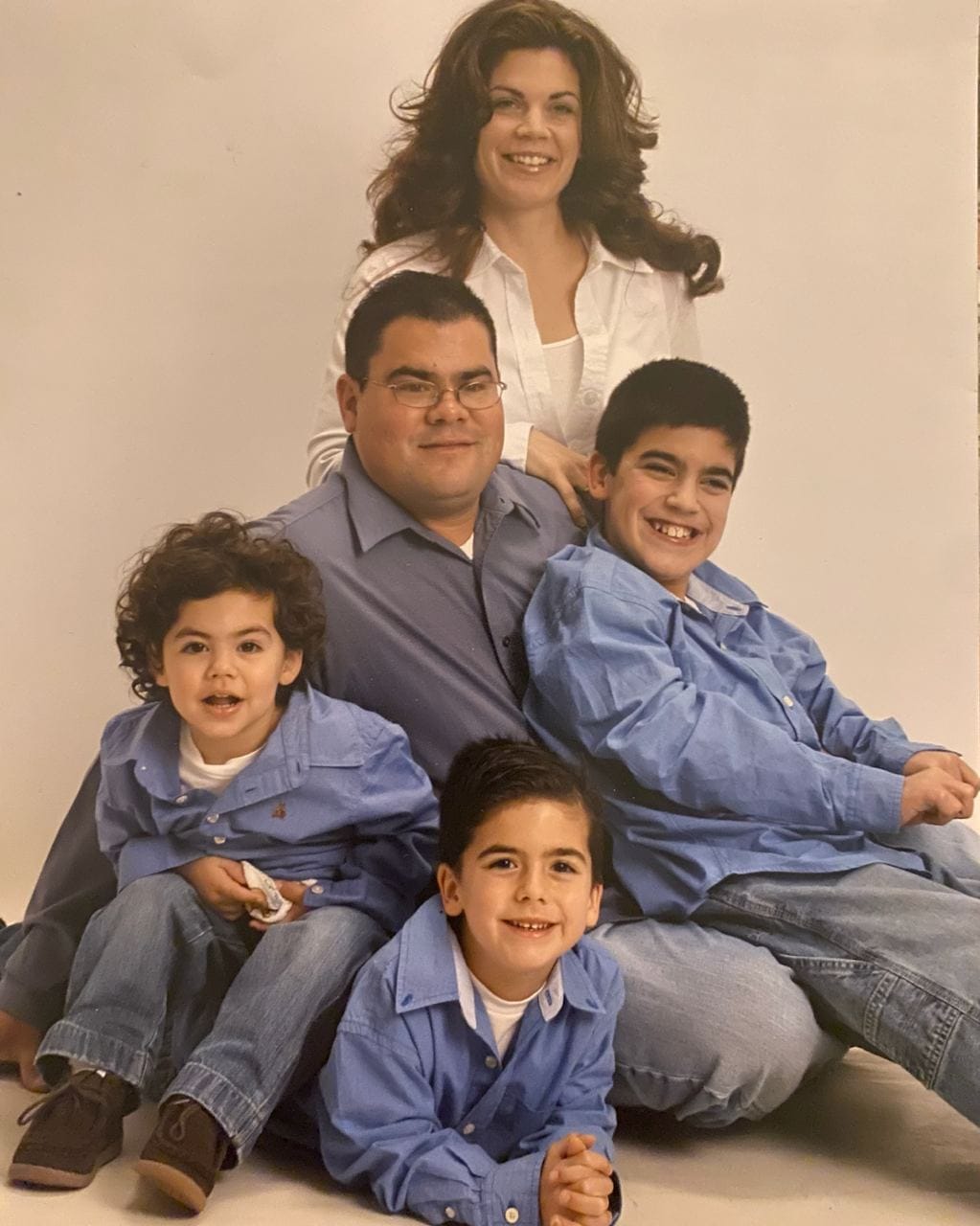
Louis Jung Jr. with his family: ex-wife Evelyn Tyson and his sons Jacob, Jim, and Louis III. (Photo courtesy of the Jung family)
A family’s loss
During closing arguments Monday, ALC attorney and legal director Bret Grote described Jung’s death as an “inevitable outcome of a culture of indifference” inside Philly jails.
Bringing the city to trial was a “courageous effort” by Jung's family, he said.
“The jury's verdict is a resounding condemnation of the systematic failures of the Philadelphia Department of Prisons to keep people safe,” Grote said.
Jung’s sons attended the trial, along with his ex-wife, Evelyn Tyson, his mother, siblings, and extended family.
In the hallways of the courthouse after Monday’s verdict, Tyson said the case was about pursuing justice.
“They took the father of my kids,” she said. “And we were not letting them get away with it.”
Jung would take his sons fishing, they’d do housework, and he showed them his carpentry skills. They relied on him for guidance.
Tyson said that Louis Jung III, who has cerebral palsy and is cared for by Tyson full-time, has struggled since his father’s death, including needing anxiety medication. She said he screams for his father, throws tantrums that can lead to self-injury, and talks to his father’s photo and ashes.
Tyson and Jung's sons testified that Jung managed his diabetes consistently when he was not incarcerated, taking insulin twice daily and checking blood sugar regularly. They said he was not hospitalized for diabetes complications until he was jailed.
On Monday, the family gathered around Louis III for a photo after the verdict.
“Our dad wouldn’t want us to back down,” Jacob said. “We fought it to the end.”
Emily Rizzo is the Accountability Reporter for Kensington Voice. She mostly covers the city’s response to the opioid and housing crises in Kensington, with a focus on how new policies and initiatives affect the community.
The decision to spare the two schools from proposed closures comes after nearly a month of intense community pushback against the district’s sweeping facilities plan.
The Kensington Tigers, representing four Kensington area high schools, opened the season with 13 straight wins while building a new team culture and boosting school morale.
A Philadelphia school district official admitted the district has neglected Stetson’s building for decades. Students and educators questioned the district’s data and scoring of the school’s capacity.